

Introduction
Planning a road trip can be one of the most exciting experiences, whether you are traveling solo, with friends, or with family. However, without proper preparation, even the most anticipated journey can quickly turn stressful. This is where smart route planning becomes essential. By organizing your journey ahead of time, you can avoid unnecessary delays, reduce travel fatigue, and make the most out of every mile.
Many beginners often underestimate the importance of mapping out their route before hitting the road. They may rely entirely on navigation apps without considering factors like traffic patterns, fuel stops, weather conditions, or scenic detours. On the other hand, experienced travelers understand that a well-thought-out plan enhances both safety and enjoyment.
In this guide, you will learn the best route planning tips for road trips that are practical, easy to follow, and suitable for both beginners and intermediate travelers. From choosing the right routes to avoiding common mistakes, this article covers everything you need to ensure a smooth and memorable journey.
By the end, you will feel more confident in planning your next adventure and ready to explore new destinations without unnecessary stress.
What is Best Route Planning for Road Trips?
Best route planning for road trips refers to the process of organizing your travel path in advance to ensure efficiency, safety, and enjoyment. It involves selecting the most suitable roads, estimating travel time, identifying rest stops, and preparing for unexpected situations.
Unlike simply following GPS directions, effective route planning takes a broader approach. It considers factors such as:
- Distance and travel duration
- Traffic conditions
- Road quality and safety
- Fuel availability
- Accommodation options
- Attractions along the way
For example, instead of taking the fastest highway route, you might choose a slightly longer scenic route that offers breathtaking views and interesting stops. Similarly, planning fuel breaks in advance helps prevent running out of gas in remote areas.
In simple terms, route planning transforms a basic drive into a well-structured and enjoyable road trip experience.
Why is Best Route Planning Important?
Route planning plays a crucial role in ensuring a successful road trip. Without it, you may face unexpected challenges that can disrupt your journey.
Firstly, it helps save time. When you know your route in advance, you can avoid traffic congestion, road closures, and unnecessary detours. Secondly, it improves safety by allowing you to identify risky areas, poor road conditions, or weather-related hazards.
Another important benefit is cost efficiency. Proper planning helps you estimate fuel expenses, avoid toll-heavy routes if needed, and manage your travel budget effectively.
Additionally, route planning enhances your overall experience. It allows you to include scenic stops, local attractions, and rest breaks, making the journey more enjoyable rather than exhausting.
Finally, it reduces stress. Knowing where you are going and what to expect gives you peace of mind, allowing you to focus on the adventure instead of worrying about logistics.
Detailed Step-by-Step Guide
Define Your Destination and Goals
Start by clearly identifying your destination. Decide whether your trip is focused on reaching a specific place quickly or enjoying the journey along the way.
Ask yourself:
- Do you want the fastest route or the most scenic one?
- Are there specific places you want to visit?
- How many days do you have for the trip?
Having clear goals will guide all your planning decisions.
Choose the Best Route Options
Use digital maps to explore multiple routes. Compare distances, estimated travel times, and road types.
Look for:
- Highways for faster travel
- Scenic routes for better views
- Alternate roads in case of traffic
Avoid relying on a single route. Always have at least one backup option.
Check Traffic and Weather Conditions
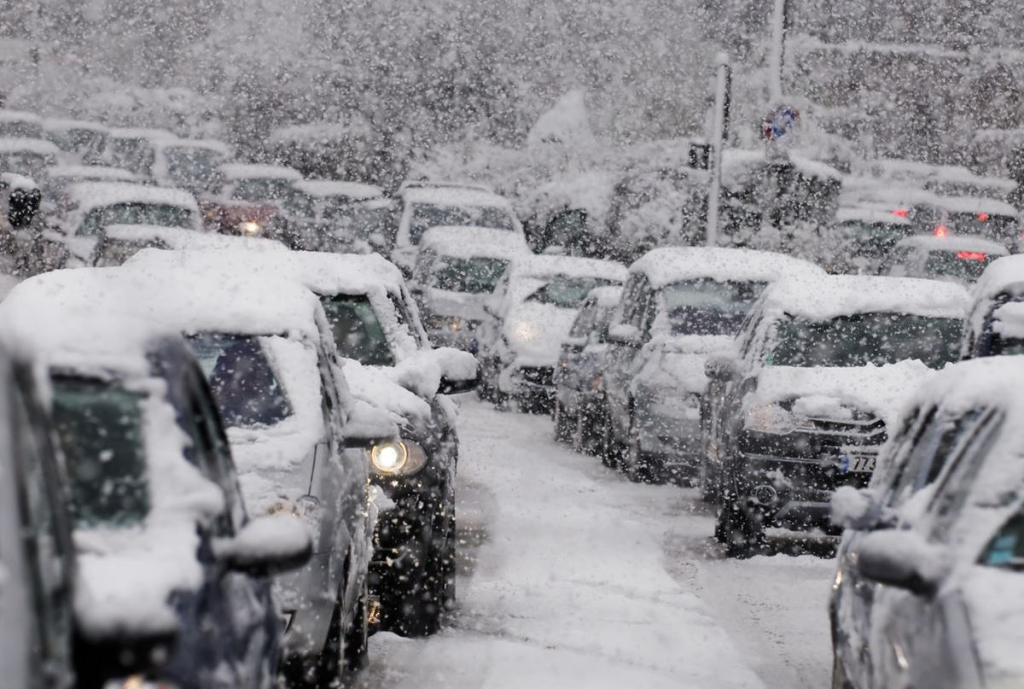
Before finalizing your plan, review traffic patterns and weather forecasts.
For example:
- Avoid peak traffic hours in busy cities
- Check for road closures or construction
- Monitor weather conditions like heavy rain or snow
This step helps prevent delays and ensures a safer journey.
Plan Fuel and Rest Stops
Long drives require regular breaks. Identify fuel stations, rest areas, and food stops along your route.
A good rule is to:
- Refuel when your tank is half empty
- Take a break every 2–3 hours
- Stay hydrated and refreshed
Planning stops in advance keeps you comfortable and alert.
Download Offline Maps
Internet connectivity may not always be reliable, especially in remote areas.
To stay prepared:
- Download offline maps
- Save important locations
- Keep a physical map as backup
This ensures you never lose your way.
Prepare for Emergencies
Unexpected situations can occur at any time.
Make sure you have:
- A first aid kit
- Emergency contacts
- Spare tire and tools
- Extra food and water
Being prepared can make a huge difference during emergencies.
Organize Your Schedule
Break your journey into manageable segments.
For example:
- Day 1: Travel 300 km and stay overnight
- Day 2: Visit attractions and continue driving
Avoid overloading your schedule. Leave room for flexibility and spontaneous stops.
Benefits of Best Route Planning
- Saves time by avoiding unnecessary detours
- Reduces travel stress and confusion
- Improves safety through better preparation
- Helps manage fuel and travel costs
- Enhances the overall travel experience
- Allows exploration of scenic routes and attractions
- Ensures better time management
- Minimizes the risk of getting lost
Disadvantages / Risks
- Over-planning can reduce spontaneity
- Unexpected changes may disrupt the plan
- Relying too much on technology can be risky
- Time spent planning can feel overwhelming
- Strict schedules may cause unnecessary pressure
Common Mistakes to Avoid
One common mistake is relying entirely on GPS without reviewing the route beforehand. Navigation apps are helpful, but they may not always suggest the best option.
Another mistake is underestimating travel time. Factors like traffic, weather, and road conditions can significantly affect your schedule.
Skipping rest breaks is also a major issue. Fatigue can lead to poor concentration and increase the risk of accidents.
Many travelers forget to check their vehicle before the trip. Basic maintenance like checking tires, oil, and brakes is essential.
Overpacking your itinerary is another problem. Trying to visit too many places in a short time can make the trip exhausting instead of enjoyable.
Lastly, ignoring backup plans can leave you stranded in unexpected situations.
FAQs
What is the best way to plan a road trip route?
The best way is to combine digital tools with manual planning. Use maps to explore routes, check conditions, and identify stops, while also considering your personal preferences.
How far should I drive in a day?
It depends on your comfort level, but generally 300 to 500 kilometers per day is manageable for most travelers without causing fatigue.
Should I always take the fastest route?
Not necessarily. While faster routes save time, scenic routes can make your journey more enjoyable. Choose based on your goals.
How do I prepare for areas with no internet?
Download offline maps, save key locations, and carry a physical map if possible. This ensures navigation even without connectivity.
How often should I take breaks?
Taking a break every 2–3 hours is recommended to stay alert and refreshed during long drives.
What should I pack for a road trip?
Essentials include water, snacks, first aid kit, chargers, emergency tools, and important documents.
Expert Tips & Bonus Points
Experienced travelers often recommend starting your journey early in the morning. This helps you avoid traffic and gives you more daylight hours.
Keep your itinerary flexible. While planning is important, leaving room for unexpected discoveries can make your trip more memorable.
Use multiple navigation apps to compare routes and avoid relying on a single source.
Always inform someone about your travel plans, especially for long or remote trips.
Maintain a comfortable driving speed instead of rushing. Safety should always be your priority.
Carry cash along with digital payment options, as some areas may not support online transactions.
Lastly, enjoy the journey. Road trips are not just about reaching a destination but about the experiences along the way.
Conclusion
A well-planned road trip can turn an ordinary journey into an unforgettable adventure. By following the best route planning tips for road trips, you can ensure a smoother, safer, and more enjoyable experience. From defining your goals to preparing for emergencies, every step plays a vital role in shaping your travel experience.
While planning requires time and effort, the benefits far outweigh the challenges. You save time, reduce stress, and gain the freedom to explore new places with confidence. At the same time, it is important to remain flexible and open to unexpected opportunities that may arise during your journey.
Remember, the key to a successful road trip lies in balance. Plan enough to stay organized, but leave room for spontaneity and fun. With the right approach, every mile becomes part of a memorable story.
Whether you are a beginner or an experienced traveler, these tips will help you navigate your journey with ease and make the most out of your road trip adventure.
