


Introduction
Traveling is one of the most exciting ways to explore the world, experience new cultures, and create unforgettable memories. However, even the most enthusiastic travelers can face unnecessary stress due to poor planning. One of the biggest issues people encounter is making route planning mistakes travelers should avoid, which can lead to wasted time, missed opportunities, and added expenses.
Many beginners and even intermediate travelers assume that planning a route is as simple as choosing a destination and booking tickets. In reality, effective route planning requires careful consideration of multiple factors such as timing, transportation, weather, and personal preferences. Without proper planning, your dream trip can quickly turn into a frustrating experience.
Moreover, avoiding route planning mistakes travelers should avoid can significantly improve your travel efficiency and overall satisfaction. A well-planned route ensures you maximize your time, reduce unnecessary stress, and enjoy your journey to the fullest.
In this guide, you will learn what route planning is, why it matters, and the most common mistakes to avoid. By understanding these key aspects, you can travel smarter and make every trip more enjoyable and productive.
What is Route Planning Mistakes Travelers Should Avoid?
Route planning refers to the process of organizing your travel path from one location to another in the most efficient and practical way. It includes selecting destinations, mapping routes, scheduling stops, and choosing the best modes of transportation.
When discussing route planning mistakes travelers should avoid, we are focusing on the common errors people make while organizing their travel routes. These mistakes can range from poor time management to ignoring important logistical details.
For example, a traveler might plan to visit multiple cities in a short period without considering travel time between them. This leads to exhaustion and missed experiences. Similarly, failing to research local transportation options can cause delays and confusion.
Understanding route planning mistakes travelers should avoid helps you make informed decisions. It allows you to anticipate potential challenges and create a smoother, more enjoyable travel experience.
Why is Route Planning Mistakes Travelers Should Avoid Important?
Avoiding route planning mistakes travelers should avoid is essential for a successful trip. Proper route planning not only saves time but also enhances your overall travel experience.
Firstly, it helps you manage your schedule effectively. When your route is well-planned, you can allocate enough time for each destination without feeling rushed. This ensures you enjoy each place fully rather than just passing through.
Secondly, it reduces travel costs. Poor planning often results in last-minute bookings, higher transportation costs, and unnecessary expenses. By avoiding route planning mistakes travelers should avoid, you can stick to your budget more easily.
Additionally, good route planning improves safety. Knowing your route in advance helps you avoid risky areas and prepare for unexpected situations.
Lastly, it increases convenience. A well-organized itinerary minimizes confusion and allows you to focus on enjoying your journey rather than dealing with constant adjustments.
Detailed Step-by-Step Guide
Step 1: Define Your Travel Goals
Start by identifying what you want to achieve from your trip. Are you looking for relaxation, adventure, cultural exploration, or a mix of everything?
Clear goals help you prioritize destinations and avoid unnecessary detours. This is the first step in preventing route planning mistakes travelers should avoid.
Step 2: Research Destinations Thoroughly
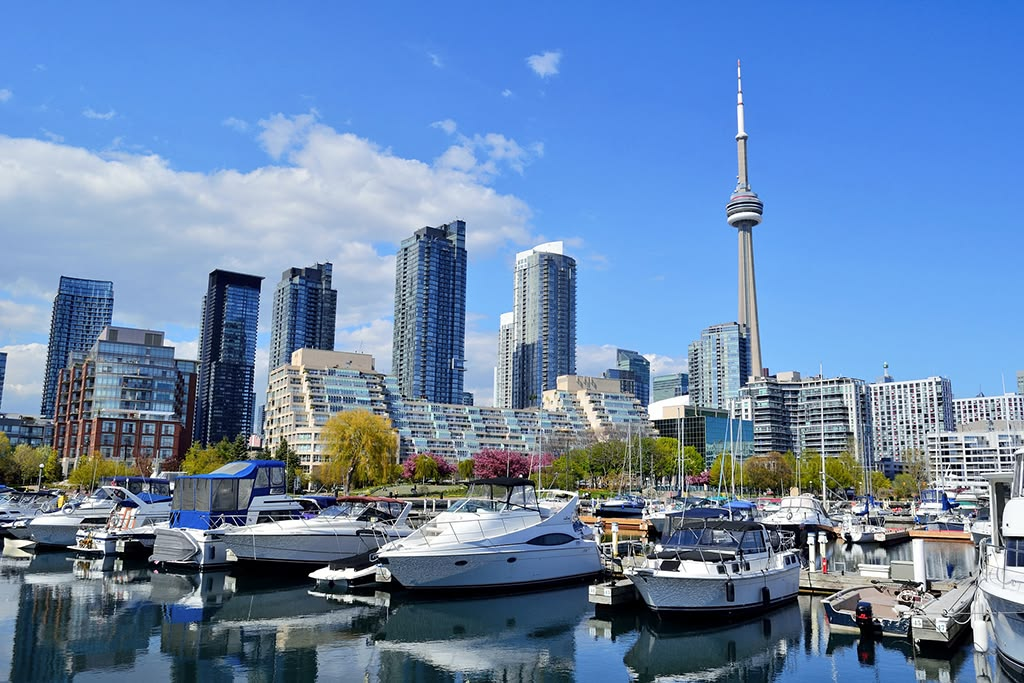
Before finalizing your route, gather detailed information about each destination. Consider factors like weather, local attractions, and peak seasons.
This helps you avoid visiting places at inconvenient times, which is one of the common route planning mistakes travelers should avoid.
Step 3: Map Out Your Route
Use maps or travel apps to visualize your journey. Plan the sequence of destinations logically to minimize backtracking.
For example, visiting nearby locations in one stretch is more efficient than jumping between distant places.
Step 4: Consider Travel Time
Always account for travel time between destinations. Include buffer time for delays such as traffic or flight issues.
Ignoring travel time is a major example of route planning mistakes travelers should avoid.
Step 5: Choose the Right Transportation
Evaluate different transportation options such as flights, trains, buses, or car rentals. Choose the most suitable option based on cost, time, and comfort.
Making the wrong transportation choice can disrupt your entire itinerary.
Step 6: Plan Accommodation Strategically
Book accommodations close to major attractions or transportation hubs. This reduces travel time and enhances convenience.
Poor accommodation planning is another common route planning mistake travelers should avoid.
Step 7: Stay Flexible
While planning is important, flexibility is equally essential. Allow room for spontaneous activities or changes in plans.
Overly rigid itineraries often lead to stress and missed opportunities.
Benefits of Route Planning Mistakes Travelers Should Avoid
- Saves time by optimizing travel routes
- Reduces unnecessary expenses
- Enhances overall travel experience
- Minimizes stress and confusion
- Improves safety and preparedness
- Helps in better time management
- Allows more time for exploration
- Increases travel efficiency
Disadvantages / Risks
- Overplanning can reduce spontaneity
- Unexpected events can disrupt plans
- Requires time and effort before travel
- Rigid schedules can cause stress
- Misjudgments can still occur despite planning
Common Mistakes to Avoid
One of the biggest route planning mistakes travelers should avoid is trying to cover too many destinations in a short time. This often leads to exhaustion and reduces the quality of your experience.
Another mistake is ignoring local transportation options. Many travelers rely solely on taxis or private transport without exploring cheaper and more efficient alternatives.
Failing to check travel times is also a common issue. People often underestimate how long it takes to move between locations, resulting in missed plans.
Additionally, not considering weather conditions can disrupt your itinerary. Visiting a destination during the wrong season can limit your activities.
Lastly, lack of backup plans is a critical error. Always have alternatives in case something goes wrong.
FAQs
1. What are route planning mistakes travelers should avoid?
These are common errors made while organizing travel routes, such as poor scheduling, ignoring travel time, and overloading itineraries.
2. Why is route planning important for travelers?
It helps save time, reduce costs, and ensure a smoother travel experience.
3. How can beginners avoid route planning mistakes travelers should avoid?
Beginners should research thoroughly, plan realistically, and allow flexibility in their schedules.
4. Is it better to plan everything in advance?
Planning is important, but leaving room for flexibility ensures a more enjoyable experience.
5. What tools can help with route planning?
Maps, travel apps, and itinerary planners are useful tools for organizing routes efficiently.
6. How much time should I allocate between destinations?
It depends on distance and transportation, but always include extra buffer time for delays.
Expert Tips & Bonus Points
Always prioritize quality over quantity when choosing destinations. Visiting fewer places allows you to enjoy them more deeply.
Use offline maps to navigate areas with limited internet access. This simple step can prevent unnecessary stress.
Keep digital and physical copies of your itinerary. This ensures you have access to your plans at all times.
Start your day early to make the most of your schedule. Morning hours are often less crowded and more productive.
Lastly, regularly review your itinerary during the trip. Adjust it based on your experience and preferences.
Conclusion
Traveling should be an enjoyable and enriching experience, but poor planning can quickly turn it into a stressful journey. By understanding and avoiding route planning mistakes travelers should avoid, you can significantly improve your travel outcomes.
Effective route planning is not just about reaching your destination. It is about making the journey smooth, efficient, and enjoyable. When you plan carefully, you save time, reduce costs, and create opportunities for meaningful experiences.
Moreover, being aware of common mistakes helps you stay prepared for unexpected challenges. Whether it is managing your schedule, choosing transportation, or adapting to changes, every step plays a crucial role in your travel success.
In the end, the goal is to strike a balance between planning and flexibility. A well-thought-out route combined with the freedom to explore ensures the best possible travel experience.
By applying the strategies and insights shared in this guide, you can confidently avoid route planning mistakes travelers should avoid and make every trip memorable, efficient, and stress-free.
