

Introduction
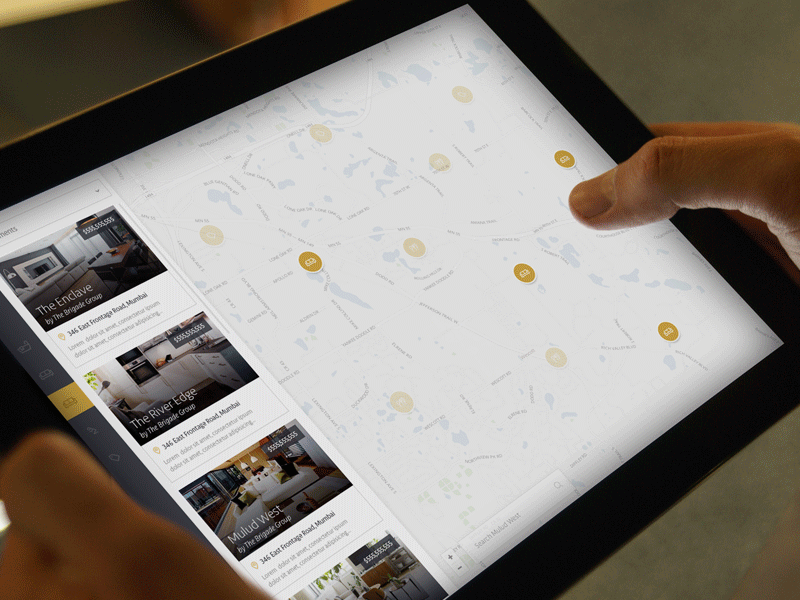
Travel websites are evolving rapidly, and users now expect more than just static content. They want engaging, personalized, and visually appealing experiences that help them explore destinations with ease. This is where interactive map ideas for travel websites come into play. These maps are not just tools for navigation; they are powerful storytelling elements that enhance user engagement and improve decision-making.
An interactive map allows users to explore destinations, discover attractions, and plan their journeys in a dynamic way. Instead of scrolling through long lists of locations, users can visually interact with maps, click on points of interest, and access detailed information instantly. This improves usability and keeps visitors on your website longer.
Moreover, interactive map ideas for travel websites can significantly boost SEO performance. They reduce bounce rates, increase session duration, and encourage users to explore multiple pages. Whether you are building a travel blog, booking platform, or tourism website, integrating smart map features can give you a competitive edge.
In this guide, you will learn everything about creating effective interactive maps, including ideas, benefits, step-by-step implementation, and expert tips to make your travel website stand out.
What is Interactive Map Ideas for Travel Websites?
Interactive map ideas for travel websites refer to creative and functional ways of using digital maps to enhance user experience. Unlike static maps, interactive maps allow users to zoom, click, filter, and explore various locations directly on the website.
These maps often include features such as clickable markers, pop-up information boxes, route planning tools, and category filters. For example, a travel website can display restaurants, hotels, and attractions on a single map, allowing users to toggle between categories.
Additionally, interactive maps can be customized to match the branding and design of the website. They can include images, reviews, and even booking options within the map interface. This makes them an essential tool for modern travel platforms.
In simple terms, interactive map ideas for travel websites transform a basic map into an engaging, user-friendly experience that helps travelers plan their trips more efficiently.
Why is Interactive Map Ideas for Travel Websites Important?
Interactive map ideas for travel websites are important because they improve both user experience and website performance. Today’s users prefer visual content over text-heavy pages, and maps provide an intuitive way to present information.
First, interactive maps make navigation easier. Users can quickly find locations, distances, and nearby attractions without needing multiple searches. This saves time and enhances satisfaction.
Second, they increase engagement. When users interact with maps by clicking, zooming, or filtering, they spend more time on the website. This signals search engines that your content is valuable, which can improve rankings.
Third, interactive map ideas for travel websites support better decision-making. Travelers can compare locations, explore surroundings, and plan routes in real time. This reduces confusion and builds trust in your platform.
Finally, they add a professional and modern touch to your website. A well-designed interactive map can make your travel site look more credible and user-friendly.
Detailed Step-by-Step Guide
Step 1: Define Your Purpose
Before creating a map, identify its main goal. Ask yourself what you want users to achieve.
- Show tourist attractions
- Display hotel locations
- Provide travel routes
- Highlight hidden gems
Having a clear purpose will guide your design and features.
Step 2: Choose the Right Map Platform
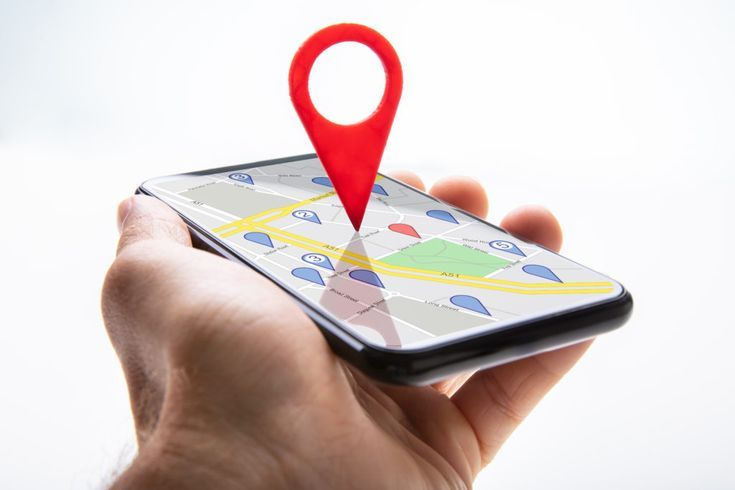
Select a reliable mapping tool that supports customization and interactivity.
Popular options include:
- Google Maps API
- Mapbox
- Leaflet
Each platform offers different features, so choose one based on your needs and budget.
Step 3: Add Key Locations
Start by adding important points of interest.
Examples include:
- Landmarks
- Restaurants
- Hotels
- Transportation hubs
Use clear markers and categorize them properly for easy navigation.
Step 4: Enable Interactive Features
Enhance your map with interactive elements.
- Clickable markers with pop-ups
- Zoom and pan functionality
- Filters for categories
- Search options
These features make the map more engaging and user-friendly.
Step 5: Customize Design
Match the map design with your website’s branding.
- Use custom colors
- Add icons for categories
- Adjust layout and fonts
A consistent design improves visual appeal and user experience.
Step 6: Optimize for Mobile
Ensure your map works smoothly on mobile devices.
- Responsive design
- Touch-friendly controls
- Fast loading speed
Mobile optimization is essential since many users browse travel sites on their phones.
Step 7: Test and Improve
Before launching, test your map thoroughly.
- Check loading speed
- Ensure all links work
- Fix any bugs
Collect user feedback and make improvements over time.
Benefits of Interactive Map Ideas for Travel Websites
- Improves user engagement by encouraging interaction
- Enhances navigation and usability
- Increases time spent on the website
- Boosts SEO performance through better user signals
- Helps users make informed travel decisions
- Adds a modern and professional look to your site
- Supports storytelling through visual content
- Makes complex information easy to understand
Disadvantages / Risks
- Can increase website loading time if not optimized
- Requires technical knowledge or developer support
- May cause usability issues if poorly designed
- Can be expensive depending on the platform used
- Needs regular updates to maintain accuracy
- Overloading with features can confuse users
Common Mistakes to Avoid
One common mistake is adding too many markers without proper categorization. This can make the map cluttered and difficult to use. Always group locations into clear categories.
Another mistake is ignoring mobile optimization. A map that works well on desktop but not on mobile can frustrate users and increase bounce rates.
Many website owners also overlook loading speed. Heavy maps with large images or unnecessary features can slow down your site. Optimize all elements to ensure fast performance.
Using unclear icons or labels is another issue. Users should immediately understand what each marker represents. Use simple and recognizable symbols.
Finally, failing to update map data can harm credibility. Outdated information about locations or services can mislead users and reduce trust.
FAQs
1. What are interactive map ideas for travel websites?
Interactive map ideas for travel websites involve using dynamic maps with features like clickable markers, filters, and pop-ups to enhance user experience and navigation.
2. Are interactive maps good for SEO?
Yes, they improve user engagement, increase session duration, and reduce bounce rates, which are positive signals for search engines.
3. Which tools are best for creating interactive maps?
Popular tools include Google Maps API, Mapbox, and Leaflet. Each offers different levels of customization and functionality.
4. Do interactive maps work on mobile devices?
Yes, but they must be optimized for mobile with responsive design and touch-friendly controls to ensure a smooth experience.
5. Can interactive maps increase conversions?
Absolutely. By helping users explore destinations and plan trips easily, interactive maps can lead to higher bookings and conversions.
6. How often should I update my map?
You should update your map regularly to ensure accuracy, especially for locations, business details, and travel routes.
Expert Tips & Bonus Points
Focus on simplicity. A clean and easy-to-use map is more effective than a complex one with too many features.
Use storytelling elements. Highlight popular routes, travel themes, or seasonal attractions to make your map more engaging.
Incorporate user-generated content. Reviews, ratings, and photos can add credibility and improve user trust.
Leverage analytics tools to track how users interact with your map. This data can help you improve design and functionality.
Consider adding personalization features. Allow users to save locations or create custom travel plans directly on the map.
Finally, always prioritize performance. A fast and responsive map will keep users engaged and improve overall satisfaction.
Conclusion
Interactive map ideas for travel websites have become an essential feature in modern web design. They offer a powerful way to present information, engage users, and enhance the overall travel planning experience. By transforming static data into dynamic visuals, these maps make it easier for users to explore destinations and make informed decisions.
From improving navigation to boosting SEO performance, the benefits of interactive maps are undeniable. However, it is important to implement them thoughtfully. A well-designed map should be simple, fast, and user-friendly, while also providing valuable information.
By following the step-by-step guide and avoiding common mistakes, you can create an interactive map that adds real value to your website. Whether you are targeting beginners or experienced travelers, a smart map feature can significantly improve user satisfaction and conversions.
In the competitive travel industry, standing out is crucial. Interactive map ideas for travel websites provide a unique opportunity to deliver an engaging and memorable user experience. When done right, they can turn your website into a powerful tool that inspires and guides travelers around the world.
