

Introduction
In today’s fast-paced digital world, knowing how to read digital maps like a pro is an essential skill. Whether you are navigating through a busy city, exploring new destinations, or planning efficient routes, digital maps have become a reliable companion. However, many users rely only on basic directions without understanding the powerful features these tools offer.
Learning how to read digital maps like a pro can significantly improve your navigation experience. It allows you to interpret symbols, understand routes better, and avoid common navigation mistakes. More importantly, it helps you become independent, confident, and efficient while traveling.
For beginners and intermediate users, mastering this skill may seem overwhelming at first. There are layers, icons, coordinates, and real-time data that may look confusing. But with the right guidance and practice, anyone can become skilled at reading digital maps.
This article will walk you through everything you need to know. From understanding the basics to advanced techniques, you will gain the confidence to navigate any map like an expert. By the end, you will not just follow directions—you will truly understand them.
What is How to Read Digital Maps Like a Pro?
How to read digital maps like a pro refers to the ability to interpret, analyze, and effectively use digital mapping tools for navigation and planning. It goes beyond simply following GPS directions. Instead, it involves understanding map elements such as symbols, scale, orientation, and real-time updates.
Digital maps are interactive tools available on smartphones, tablets, and computers. They provide detailed information about roads, locations, traffic, terrain, and even weather conditions. Unlike traditional paper maps, digital maps are dynamic and constantly updated.
When you learn how to read digital maps like a pro, you gain the ability to customize routes, identify shortcuts, and understand different map layers. This skill also helps you stay aware of your surroundings, which is especially useful when traveling in unfamiliar areas.
In simple terms, it is about becoming smarter and more efficient in using digital navigation tools.
Why is How to Read Digital Maps Like a Pro Important?
Understanding how to read digital maps like a pro is important for several reasons. First, it enhances your navigation accuracy. Instead of blindly following instructions, you can make informed decisions based on real-time data.
Second, it saves time. By understanding traffic patterns and alternative routes, you can avoid delays and reach your destination faster. This is especially useful in busy urban areas.
Third, it improves safety. Knowing how to interpret map features helps you avoid risky routes, road closures, or unfamiliar areas. It also allows you to plan your journey more effectively.
Additionally, it boosts confidence. When you know how to read digital maps like a pro, you no longer depend entirely on automated directions. You can explore new places with ease and independence.
Finally, this skill is valuable in many situations, from daily commuting to outdoor adventures. It is not just a convenience—it is a practical life skill.
Detailed Step-by-Step Guide
Understanding the Map Interface
Start by familiarizing yourself with the map interface. Most digital maps include zoom controls, a search bar, and navigation buttons.
Pay attention to icons and menus. These elements help you access features like directions, saved locations, and map settings.
Learning Map Symbols and Icons
Digital maps use symbols to represent locations such as restaurants, hospitals, and gas stations.
Understanding these icons is crucial. For example, a fork and knife icon usually represents a restaurant, while a fuel pump indicates a gas station.
Using Zoom and Scale Effectively
Zooming in shows detailed streets and landmarks, while zooming out gives a broader view.
The scale helps you understand distances. Learning how to adjust zoom levels is key to reading digital maps like a pro.
Interpreting Directions and Routes
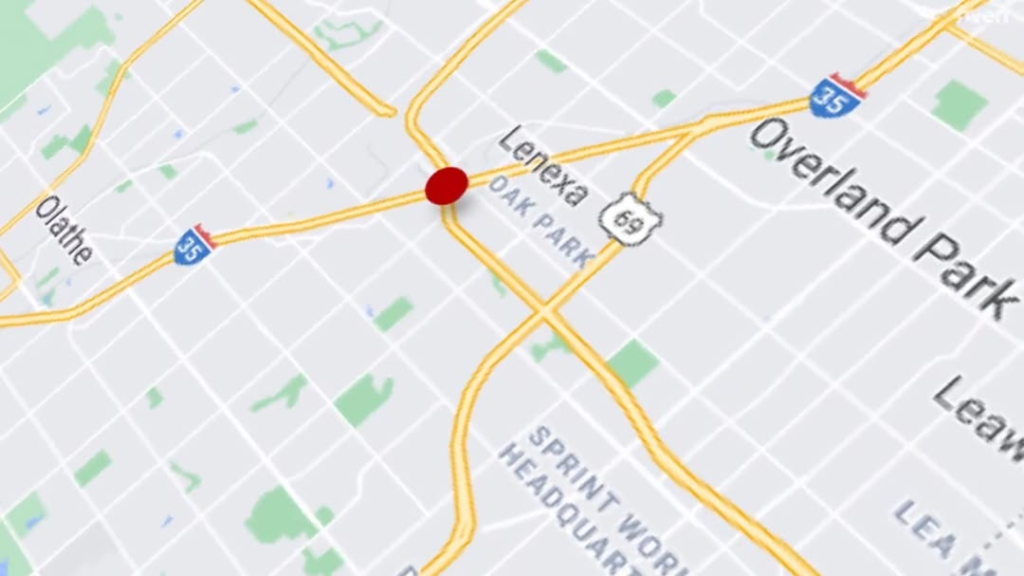
When you enter a destination, the map shows multiple routes.
Look at estimated time, distance, and traffic conditions. Choose the route that best fits your needs rather than just following the default option.
Understanding Traffic and Real-Time Data
Most digital maps provide real-time traffic updates.
Colors like red, orange, and green indicate traffic conditions. Learning to interpret these colors helps you avoid delays.
Using Map Layers
Map layers provide additional information such as satellite view, terrain, or public transport routes.
Switching between layers helps you get a clearer understanding of your surroundings.
Saving Locations and Offline Maps
Save frequently visited places like home or work for quick access.
Downloading offline maps is useful when you do not have internet access. This ensures uninterrupted navigation.
Exploring Advanced Features
Advanced features include voice navigation, route customization, and location sharing.
Learning these tools can enhance your experience and make navigation more efficient.
Benefits of How to Read Digital Maps Like a Pro
- Improves navigation accuracy and efficiency
- Saves time by identifying faster routes
- Enhances safety during travel
- Increases confidence in unfamiliar areas
- Helps in better trip planning
- Provides access to real-time updates
- Reduces dependence on others for directions
- Makes travel more enjoyable and stress-free
Disadvantages / Risks
- Over-reliance on technology can reduce natural navigation skills
- Battery drain can interrupt navigation
- Incorrect data may lead to wrong directions
- Privacy concerns when sharing location
- Internet dependency for full functionality
- Misinterpretation of map features can cause confusion
Common Mistakes to Avoid
One common mistake is blindly following directions without checking the route. Always review the path before starting your journey.
Another mistake is ignoring map updates. Traffic conditions can change quickly, so it is important to stay alert.
Many users also fail to use map layers. This limits their understanding of the environment.
Over-zooming or under-zooming can lead to confusion. Always adjust the zoom level based on your needs.
Lastly, not saving important locations can waste time. Make use of the save feature for convenience.
FAQs
1. What does it mean to read digital maps like a pro?
It means understanding all map features, including symbols, routes, and real-time data, instead of just following directions.
2. Do I need internet to use digital maps?
Not always. You can download offline maps, but some features like live traffic require internet access.
3. How can I improve my map reading skills?
Practice regularly, explore different features, and try navigating without relying completely on voice directions.
4. Are digital maps always accurate?
They are generally accurate, but errors can occur. It is always good to double-check important routes.
5. What is the benefit of using map layers?
Map layers provide additional information such as terrain, satellite view, and public transport routes.
6. Can I use digital maps for outdoor activities?
Yes, digital maps are useful for hiking, cycling, and other outdoor activities, especially with terrain and offline features.
Expert Tips & Bonus Points
To truly master how to read digital maps like a pro, start by exploring the map before your journey. This gives you a mental picture of the route.
Use landmarks instead of relying only on directions. This helps you stay oriented even if the map fails.
Enable notifications for traffic updates. This keeps you informed about changes during your journey.
Practice using different map views. Switching between satellite and standard views can improve your understanding.
Always keep your device charged or carry a power bank. Navigation tools are only useful if your device is active.
Finally, stay aware of your surroundings. Digital maps are helpful, but real-world observation is equally important.
Conclusion
Learning how to read digital maps like a pro is more than just a technical skill—it is a valuable life ability that enhances your daily experiences. From commuting to exploring new destinations, digital maps play a crucial role in modern navigation. However, simply following directions is not enough to unlock their full potential.
By understanding map symbols, using layers, interpreting traffic data, and exploring advanced features, you can transform the way you navigate. This knowledge allows you to make smarter decisions, save time, and travel with confidence. It also reduces your dependence on automated systems, giving you greater control over your journeys.
While there are some risks, such as over-reliance on technology, these can be managed with awareness and practice. The key is to balance digital tools with real-world observation.
As you continue to practice and apply these techniques, you will notice a significant improvement in your navigation skills. Over time, reading digital maps will become second nature.
In the end, mastering how to read digital maps like a pro empowers you to move freely, explore confidently, and navigate the world with ease.
