


Introduction
Daily travel has become a major part of modern life, whether it involves commuting to work, attending school, or running errands across the city. With increasing traffic congestion and time constraints, managing travel efficiently is more important than ever. This is where route planning apps for daily travel play a vital role. These apps help users find the fastest, safest, and most convenient routes, saving both time and energy.
In recent years, technology has transformed how people navigate their surroundings. Instead of relying on guesswork or outdated maps, travelers can now access real-time data, traffic updates, and route suggestions with just a few taps. As a result, commuting has become more predictable and less stressful.
For beginners and intermediate users, understanding how these apps work and how to use them effectively can make a big difference in daily productivity. From avoiding traffic jams to discovering alternative routes, route planning apps offer practical solutions tailored to individual needs.
This guide explores everything you need to know about route planning apps for daily travel. It explains their importance, how to use them step by step, their benefits and limitations, and expert tips to get the most out of them. By the end, you will have a clear understanding of how to improve your daily travel experience.
What is Route Planning Apps for Daily Travel?
Route planning apps for daily travel are mobile or web-based tools designed to help users determine the best path from one location to another. These apps use GPS technology, mapping systems, and real-time data to provide accurate directions and travel information.
At their core, these apps analyze multiple factors such as distance, traffic conditions, road closures, and transportation options. Based on this data, they suggest the most efficient route for the user. Some apps also offer alternative routes, allowing travelers to choose based on their preferences.
These applications are not limited to car travel. Many support walking, cycling, and public transportation, making them versatile tools for different commuting needs. For example, a user can switch between driving directions and bus routes depending on the situation.
Another important feature is real-time updates. If there is an accident or heavy traffic ahead, the app can automatically reroute the user to avoid delays. This dynamic adjustment makes route planning apps highly reliable for daily use.
Overall, route planning apps for daily travel simplify navigation by combining technology with user-friendly interfaces, making them accessible to people of all experience levels.
Why is Route Planning Apps for Daily Travel Important?
Route planning apps for daily travel are important because they directly impact how efficiently people move from one place to another. In busy urban environments, even small delays can disrupt schedules and increase stress levels.
One of the main reasons these apps are essential is time management. By providing the fastest routes and estimating travel time accurately, they help users plan their day more effectively. This is especially useful for professionals who need to reach destinations on time.
Another key factor is fuel efficiency. By avoiding unnecessary detours and traffic congestion, users can reduce fuel consumption. This not only saves money but also contributes to environmental sustainability.
Safety is another important aspect. Many apps provide alerts about road hazards, accidents, or construction work. These warnings allow users to make informed decisions and avoid risky situations.
Additionally, route planning apps enhance convenience. Instead of memorizing routes or constantly asking for directions, users can rely on a single platform for all their navigation needs. This ease of use makes them suitable for beginners as well.
In short, route planning apps for daily travel improve efficiency, reduce stress, and provide a smarter way to navigate daily life.
Detailed Step-by-Step Guide
Step 1: Choose the Right App
Start by selecting a reliable route planning app that suits your needs. Look for features such as real-time traffic updates, multiple route options, and offline access. Different apps offer different strengths, so choose one that aligns with your daily travel habits.
Step 2: Enable Location Services
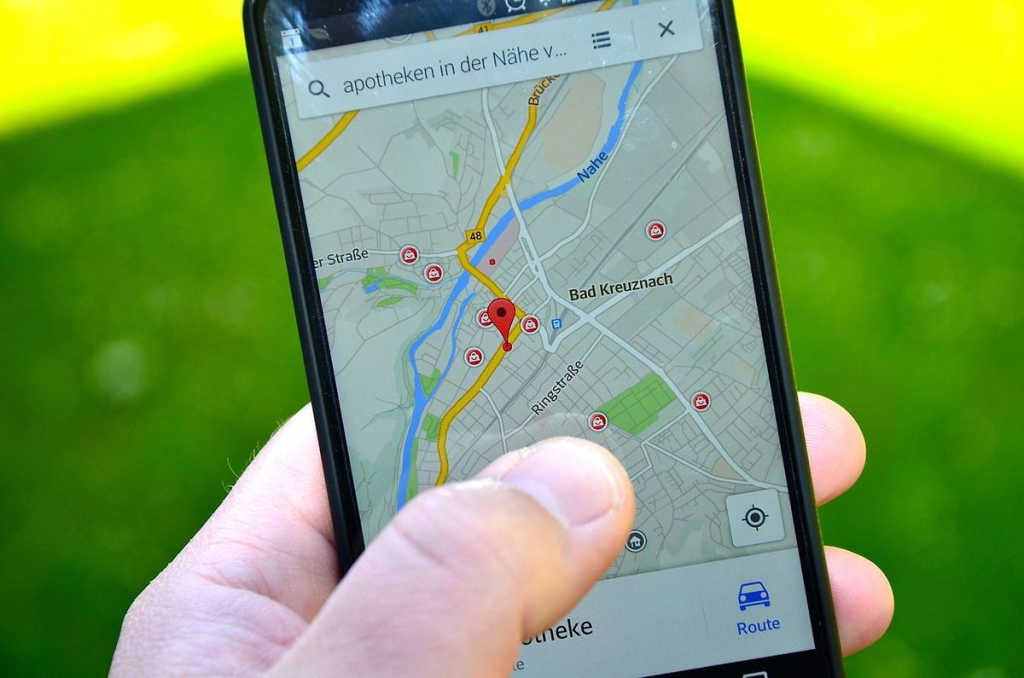
To get accurate directions, you need to enable GPS or location services on your device. This allows the app to track your current position and provide real-time navigation.
Step 3: Enter Your Destination
Open the app and type in your destination. Be as specific as possible to ensure accurate results. Most apps allow you to save frequently visited places such as home or office for quick access.
Step 4: Select Your Mode of Transport
Choose how you plan to travel. Options typically include driving, walking, cycling, or public transport. The app will adjust routes and travel time based on your selection.
Step 5: Review Suggested Routes
The app will display multiple route options. Compare them based on distance, time, and traffic conditions. Select the one that best fits your preference.
Step 6: Start Navigation
Once you choose a route, start navigation. Follow the turn-by-turn directions provided by the app. Most apps include voice guidance to make navigation easier while driving.
Step 7: Monitor Real-Time Updates
Keep an eye on updates during your journey. If traffic conditions change, the app may suggest a faster alternative route. Accepting these suggestions can save valuable time.
Step 8: Save and Customize Routes
After completing your trip, consider saving the route if it is part of your daily routine. Many apps allow customization based on preferences such as avoiding toll roads or highways.
Benefits of Route Planning Apps for Daily Travel
- Helps save time by suggesting the fastest routes
- Provides real-time traffic updates and alerts
- Reduces fuel consumption and travel costs
- Offers multiple transportation options
- Improves safety through hazard notifications
- Enhances convenience with easy-to-use interfaces
- Allows route customization based on preferences
- Supports better time management and planning
Disadvantages / Risks
- Dependence on internet connectivity for real-time updates
- GPS inaccuracies in certain areas
- Battery consumption due to continuous usage
- Over-reliance may reduce natural navigation skills
- Data privacy concerns related to location tracking
- Occasional incorrect route suggestions
Common Mistakes to Avoid
One common mistake is ignoring real-time updates. Some users stick to their original route even when the app suggests a better alternative. This can lead to unnecessary delays.
Another mistake is not updating the app regularly. Updates often include improved features and bug fixes that enhance performance.
Many users also forget to check route options before starting their journey. Simply choosing the first suggestion may not always be the best choice.
Relying solely on the app without paying attention to surroundings is another issue. While the app provides guidance, staying alert is essential for safety.
Lastly, not customizing settings can limit the app’s effectiveness. Adjust preferences such as avoiding toll roads or selecting the fastest route to get better results.
FAQs
1. What are route planning apps for daily travel used for?
They are used to find the best routes between locations, considering factors like traffic, distance, and travel time. They help make daily commuting more efficient.
2. Do these apps work offline?
Some apps offer offline maps, but real-time updates require an internet connection. It is useful to download maps in advance for areas with weak signals.
3. Are route planning apps accurate?
Most apps are highly accurate, especially in urban areas. However, occasional errors may occur due to outdated data or GPS issues.
4. Can I use these apps for public transportation?
Yes, many route planning apps support buses, trains, and other public transport options, providing schedules and route details.
5. Do these apps consume a lot of battery?
Continuous GPS usage can drain battery life. Using battery-saving modes or charging your device during travel can help.
6. Are route planning apps free?
Many apps offer free versions with basic features. Some also provide premium options with advanced features.
Expert Tips & Bonus Points
To get the most out of route planning apps for daily travel, always plan your journey in advance. Checking routes before leaving can help you avoid last-minute surprises.
Use the app’s customization features. Setting preferences like avoiding traffic or toll roads can improve your overall experience.
Another useful tip is to combine route planning with time management. Leave a few minutes early to account for unexpected delays.
Keep your app updated to access the latest features and improvements. Updated apps perform better and provide more accurate information.
Also, consider using multiple apps occasionally. Comparing results from different apps can help you find the best possible route.
Finally, always stay aware of your surroundings. While the app provides guidance, your judgment plays an important role in safe travel.
Conclusion
Route planning apps for daily travel have become essential tools in today’s fast-paced world. They offer a practical solution to common commuting challenges, helping users save time, reduce stress, and navigate efficiently. With features like real-time updates, multiple route options, and user-friendly interfaces, these apps simplify daily travel for both beginners and experienced users.
Understanding how to use these apps effectively can significantly improve your daily routine. From choosing the right app to following step-by-step navigation, each aspect contributes to a smoother travel experience. While there are some limitations, such as dependency on internet connectivity, the benefits far outweigh the drawbacks.
By avoiding common mistakes and applying expert tips, users can maximize the advantages of route planning apps. Whether you are commuting to work, running errands, or exploring new areas, these tools provide reliable support for every journey.
In conclusion, adopting route planning apps for daily travel is a smart decision for anyone looking to enhance efficiency and convenience. With the right approach, these apps can transform the way you travel every day, making your journeys faster, safer, and more organized.
